Request furnace repair for a property in Georgetown. Include the equipment, the problem or planned work, and your location so the request can be reviewed.
What should be checked when a furnace will not start, heats unevenly, or makes an unusual sound?
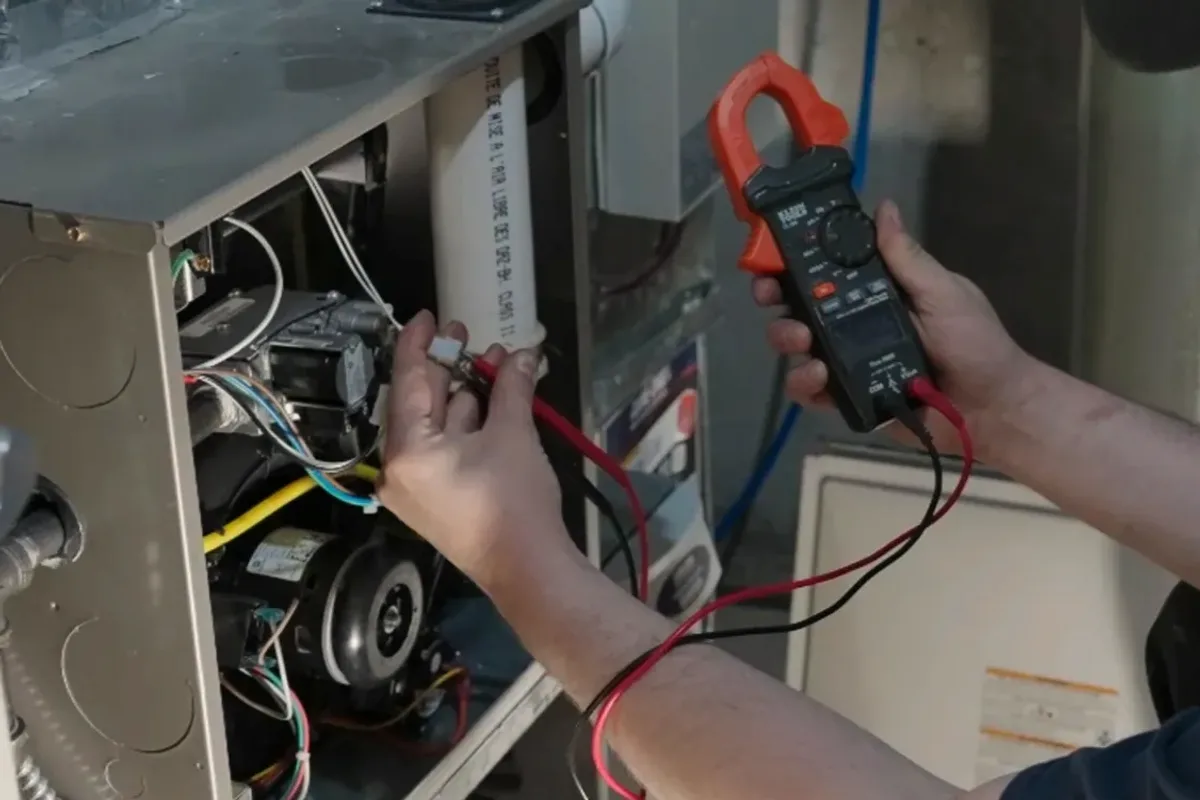
Furnace repair starts by identifying whether a no-heat or uneven-heating complaint comes from ignition, airflow, the burner, the blower, or a control fault. A failed igniter, restricted filter, or limit-control interruption can produce similar symptoms but calls for different checks. The furnace type, fault history, and any unusual startup sounds help define the diagnosis. If the equipment is significantly worn or has a serious component defect, repair and replacement are separate options to assess.
The assessment should record the furnace fuel and model, the sequence before it stops, and whether the blower runs or the burner attempts to light. A booming startup, scraping sound, or rattling duct points toward different inspection areas. Service records and the age and condition of major components help compare a targeted repair with replacement without relying on a single age cutoff.
Ignition, burner, airflow, and limit-control fault diagnosis
Startup, blower, and duct-related furnace noises
Component repair, maintenance findings, and replacement decisions
Assessment and Scope
Questions for the Proposed Work
01
Trace ignition and airflow faults
A furnace that does not ignite may have an igniter, flame-sensing, fuel-supply, or control problem; a filter restriction can instead limit airflow and contribute to a limit switch stopping operation. These conditions should not be treated as interchangeable. A technician's diagnostic checks can distinguish the failed part from a safeguard responding to another fault. Note when the problem occurs and any displayed fault code, but do not repeatedly reset the furnace or open its combustion compartment.
02
Use sounds to guide inspection
A boom as the burner starts can indicate delayed ignition, while scraping may come from a blower assembly and rattling may originate in ductwork or a loose panel. The timing of the sound, whether it happens at startup or during operation, and where it seems loudest help narrow the inspection. A sound alone does not establish the cause. Stop using equipment that appears unsafe and request an assessment rather than attempting burner, electrical, or safety-control adjustments.
03
Compare repair with replacement
A repair is a distinct choice when a diagnosed component can be replaced and the remaining furnace condition supports continued use. Replacement deserves consideration when several major parts are deteriorated or a serious defect changes the scope; age alone does not decide it. Ask which tests identified the fault, whether the heat exchanger and venting were assessed where applicable, and what other components show wear. Maintenance checks should follow manufacturer instructions and inspection findings, not an assumed annual parts list.
Compare the next step
Ask which startup observations are safe for the occupant and which checks require service after the idle period. Include any water entry, freezing, or pest history. Establish normal operation and the maintenance needed before depending on the furnace, then retain instructions for the next planned shutdown.
Leave burner, fuel, venting, electrical, and internal equipment work to a qualified contractor. Do not bypass a safety switch or repeatedly reset a furnace.